
University of Toronto Acceptance Rate: What Students Need to Know (2026)
A breakdown of the University of Toronto's acceptance rate for 2026, including how it varies by program, what affects your chances, and what admitted students should know about finding housing near campus.
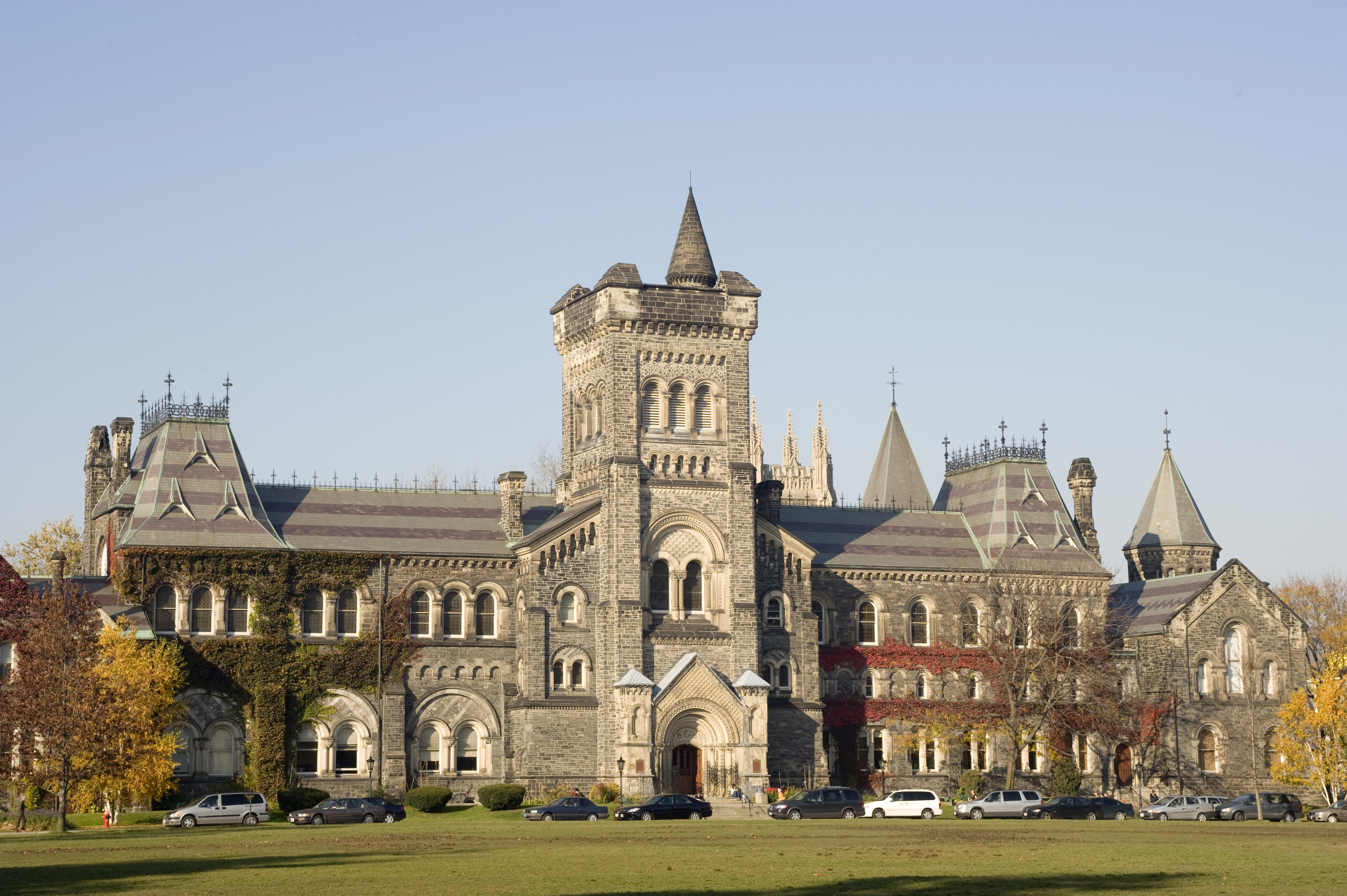
If you're applying to the University of Toronto, one of the first questions that comes up is how competitive admission really is. U of T doesn't publish a single official acceptance rate, but based on publicly available admissions data and year-over-year reporting, we can build a reasonably accurate picture of what to expect for the 2026 admissions cycle.
Overall Acceptance Rate: Across all programs and campuses (St. George, Scarborough, and Mississauga), U of T's overall undergraduate acceptance rate is generally estimated to fall in the low-to-mid 40% range, making it one of the more selective universities in Canada, though still more accessible than its reputation might suggest.
Acceptance Rate by Program: Admission chances at U of T vary a lot depending on the program you apply to. Arts & Science programs tend to have the highest acceptance rates, generally in the 45-50% range. Engineering is more competitive, typically around 30-35%. Rotman Commerce, U of T's flagship business program, is one of the toughest to get into at roughly 20-25%. Life sciences and computer science programs are also highly competitive due to overwhelming demand, often pulling acceptance rates below the university average. Professional programs like Medicine (single digits) and Law (around 13-15%) are the most selective of all.
Domestic vs. International Applicants: International applicants generally face a more competitive process, since U of T caps the number of seats available to international students in many programs. Acceptance rates for international applicants tend to run lower than domestic rates, particularly in high-demand programs like Commerce, Computer Science, and Engineering. Academic requirements are the same regardless of citizenship, but international applicants are assessed against a smaller, more competitive pool.
What Affects Your Chances: Admissions committees look beyond your overall average. Grade 12 (or equivalent) marks in program-specific prerequisite courses matter more than your general GPA, and competitive programs weigh those prerequisite grades heavily. Supplementary applications, such as the ones required for Rotman Commerce or Engineering, also play a real role, as do personal statements and extracurricular context for some programs. Application timing matters too, since U of T reviews applications on a rolling basis and popular programs can fill up as the cycle progresses.
How to Improve Your Odds: Focus on the prerequisite courses for your intended program and aim to exceed the published cutoffs rather than just meet them, since competitive programs often admit well above the minimum. Apply early rather than waiting for the deadline, put real effort into supplementary essays where required, and choose your program strategically. If your top choice is highly competitive, applying to a related but less oversubscribed program can improve your odds of getting into U of T while leaving room to transfer internally later.
Getting accepted is just the first step, finding the right place to live near campus makes the transition much easier. Pearson Housing offers furnished, all-inclusive student rooms in Toronto's Downtown core, within easy reach of U of T's St. George campus. Browse our Downtown Toronto rooms to find your spot before the school year starts.
